We are pleased to inform you of the results of our work, corporate news, and provide you with current updates as well as staff appointment and removal circumstances.
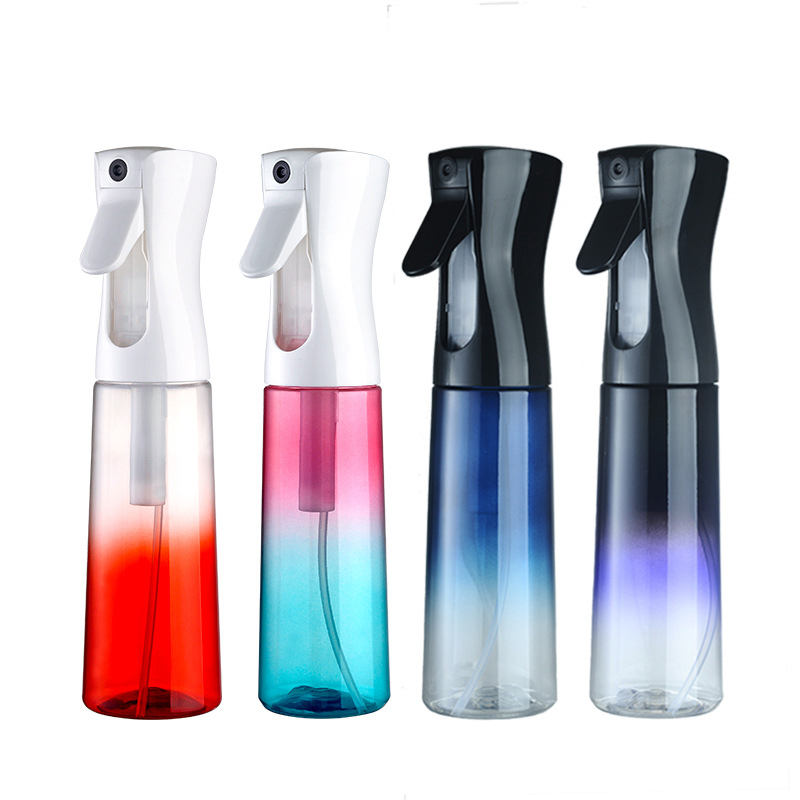
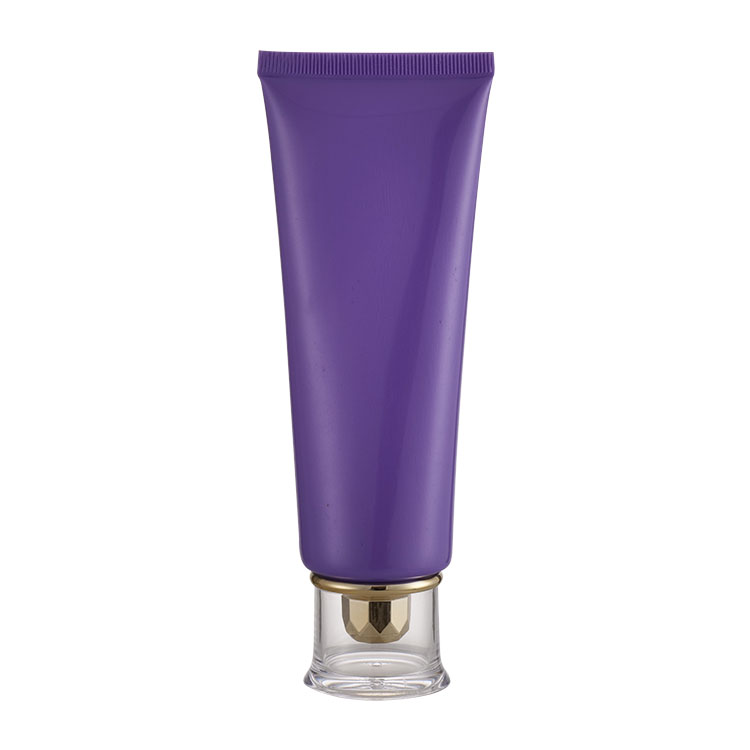
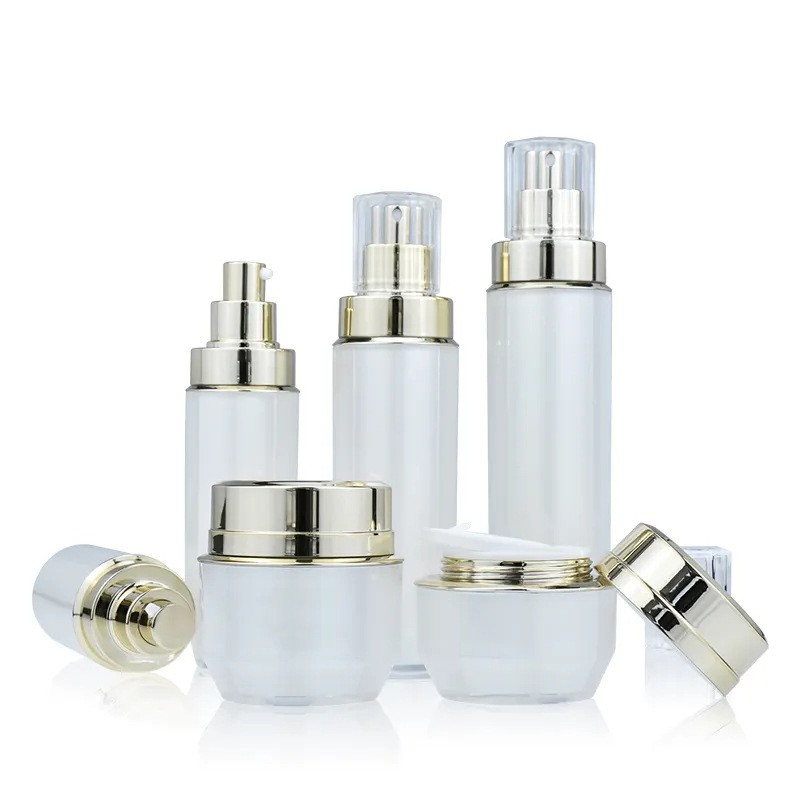
Plastic is the most commonly used material for cosmetic packaging because it is readily available and inexpensive. Commonly used plastics include ABS, PP, acrylic (PMMA), PC, PCTG, and PS. ABS is particularly useful. It is highly precise, hard, scratch-resistant, and strong enough. It can also be made in various colors. Not only is it durable and resistant to low-temperature environments, but it can also be processed in many ways and is recyclable. It is very popular in the market.
Modern cosmetics, personal care and industrial sectors require safe and practical packaging options. PE Hose and Bottle features excellent flexibility, chemical resistance and cost advantages to match diverse filling materials. This article introduces PE material properties, application ranges, product specifications, quality standards and supplier selection tips to help buyers source proper plastic hose and bottle packaging.
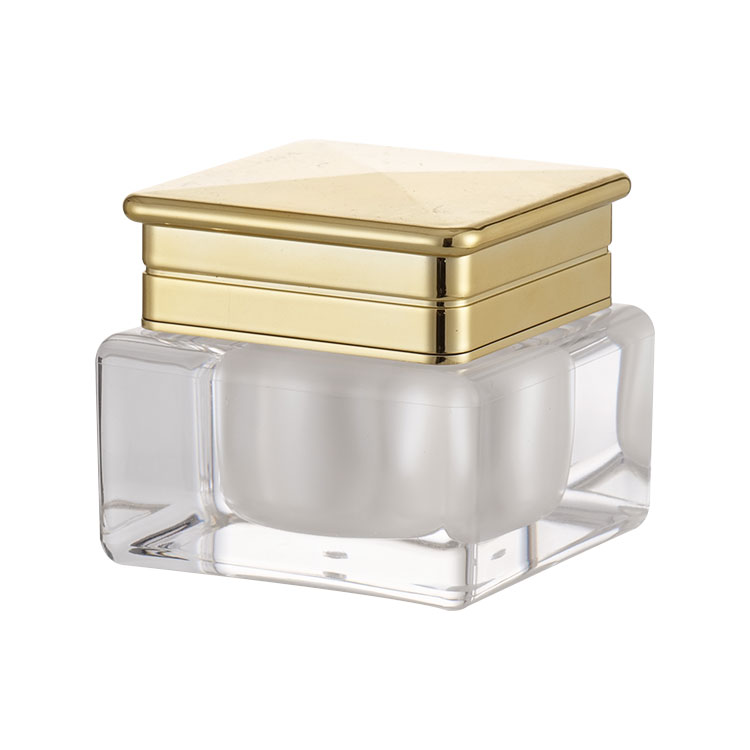
Offering a light transmittance nearly equal to that of glass, yet ten times more shatter-resistant, acrylic bottles are increasingly being incorporated into product lines by brands in 2026. We have compiled a list of the questions most frequently asked by buyers.
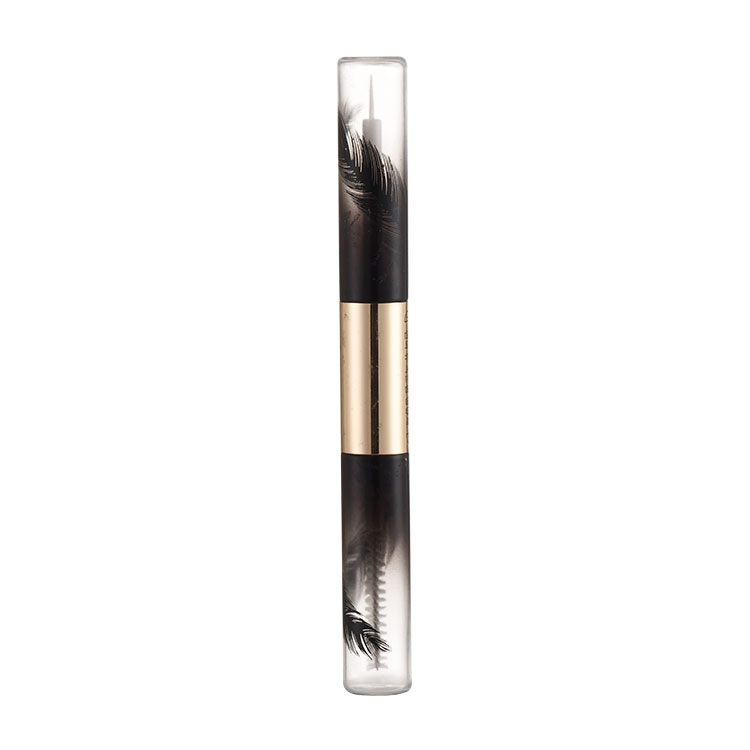
In the rapidly evolving beauty industry, packaging innovation is no longer a supporting element—it has become a key factor influencing brand competitiveness and product differentiation. Recently, a newly developed PETG Beauty Makeup Bottle (Dual-Purpose Eye Black Bottle) from Shanghai Yingshi Industrial Co.,Ltd , a professional China Manufacturer, Supplier, and Factory, has attracted growing attention from overseas buyers and cosmetic brands.Unlike traditional single-use cosmetic containers, this dual-function design reflects a clear shift toward efficiency, portability, and multi-purpose application in modern beauty packaging.
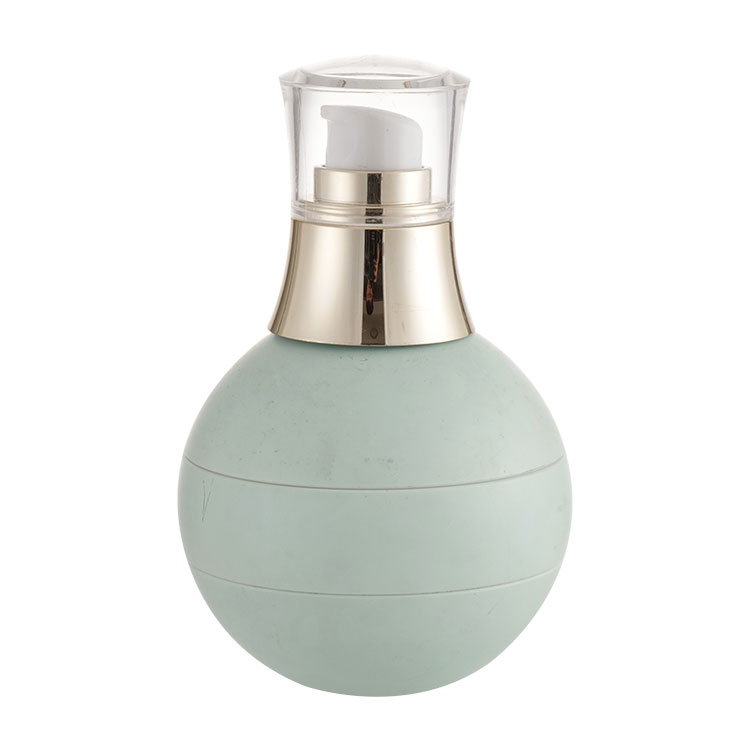
A PET shampoo bottle has become a mainstream packaging solution in the personal care industry due to its balance of strength, transparency, chemical resistance, and cost efficiency. As shampoo brands face increasing pressure to ensure product safety, visual appeal, transportation reliability, and environmental responsibility, PET material offers a practical answer to these challenges. This article explains how a PET shampoo bottle works in real-world applications, what technical parameters matter most, and how it helps manufacturers and brand owners solve common packaging pain points.
We use cookies to offer you a better browsing experience, analyze site traffic and personalize content. By using this site, you agree to our use of cookies.
Privacy Policy

 25 2025-11
  02 2026-06
  14 2026-05
  22 2026-04
  30 2026-01
  06 2025-11